1. Background of the Controversy
In recent weeks, the BBC found itself at the center of an international controversy after airing an edited clip of US President Donald Trump on its investigative program Panorama. The clip, intended to highlight key statements made by Trump, was criticized for being misleadingly edited, which some argued distorted the context of his remarks.
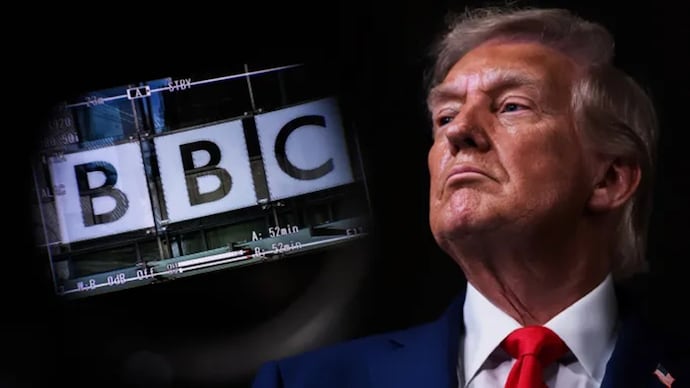
Trump’s legal team quickly reacted, claiming that the edits damaged his reputation and demanded monetary compensation. The incident attracted widespread media attention, reigniting debates on journalistic responsibility and the ethics of editing clips for broadcast.
2. The BBC’s Apology
Following an internal review, the BBC formally issued an apology to Donald Trump. In its statement, the broadcaster acknowledged that the editing was misleading and admitted that the final clip did not reflect the intended meaning of the President’s original statements.
The apology highlighted the BBC’s editorial standards, emphasizing its commitment to accuracy, impartiality, and fairness in journalism. By apologizing, the BBC aimed to maintain credibility and demonstrate accountability for the error.
However, the apology was carefully worded. It did not admit any legal wrongdoing, reflecting the broadcaster’s stance that while the editing was misleading, it did not meet the threshold for defamation under UK law.
apnewsonline.in | corpdynamix.com | maganiva.com
drishtiyogattc.com | chicntrendies.com
3. Refusal to Pay Compensation
Despite the apology, the BBC refused to pay Trump the compensation he requested. The broadcaster explained that while the clip’s editing was inappropriate, it did not legally harm the President’s reputation in a manner that would warrant financial damages.
UK defamation law requires proof that a published statement caused serious harm to a person’s reputation. The BBC argued that the clip, although misleading, did not meet this standard, and thus there was no legal basis for compensation.
This distinction between admitting editorial mistakes and acknowledging legal liability highlights the complexity of media law, especially when dealing with public figures who are subject to intense scrutiny and criticism.
4. Public and Media Reactions
The incident quickly became a topic of global discussion. Critics argued that the BBC should have ensured the clip accurately represented the context before airing. Many highlighted that editing, while common in journalism, must not change the intended meaning of statements, particularly when covering political figures.
On the other hand, supporters of the BBC noted that the apology itself was a responsible step, showing the organization’s willingness to acknowledge errors publicly. Social media platforms saw heated debates, with some users criticizing both Trump and the BBC, while others focused on the broader implications for media ethics and accuracy.
News analysts also weighed in, suggesting that the case could set a precedent for how news organizations handle public figure statements in future broadcasts.
5. Previous Media Controversies Involving Trump
This is not the first time Donald Trump has been involved in media disputes over coverage. Throughout his political career, he has challenged news organizations over perceived misrepresentation or “fake news.” High-profile examples include conflicts with CNN, The New York Times, and other major networks.
While some of these cases ended in lawsuits, many were resolved without financial compensation, similar to the current situation with the BBC. The recurring pattern demonstrates the tension between public accountability and media freedom, especially in cases where statements are open to interpretation.
6. Journalistic Ethics and Editing Practices
The BBC incident underscores the importance of ethical journalism. Editing is a common practice, often necessary for time constraints and storytelling, but it comes with the responsibility to preserve meaning.
Misleading edits can:
-
Distort the intended message of the speaker
-
Fuel misinformation
-
Erode trust in the news organization
For news outlets, this serves as a reminder that accuracy must take precedence over dramatization or narrative style, particularly when dealing with political leaders or sensitive topics.
7. Implications for Public Figures
For public figures like Trump, this case highlights a complex reality. While they are frequently in the public eye and subject to intense media scrutiny, not every error or misleading portrayal is legally actionable.
The refusal to award compensation emphasizes that public figures must navigate criticism and occasional media misrepresentation. Legal action is typically reserved for cases where reputation is demonstrably and seriously harmed, setting a high bar for claims.
8. International Perspective
The controversy also has international implications. In the US, media disputes often involve debates over the First Amendment and freedom of the press, whereas the UK has stricter defamation laws.
Trump’s case with the BBC exemplifies how cross-border journalism and public figures interact, showing that media outlets operating globally must consider both ethical and legal standards across different jurisdictions.
9. Lessons for Media Organizations
The BBC incident offers several takeaways for journalists and broadcasters:
-
Maintain context: Always ensure clips and quotes reflect the original intent.
-
Balance speed and accuracy: Quick reporting should not compromise the truth.
-
Issue transparent apologies: Public acknowledgment of mistakes builds credibility.
-
Understand legal limits: Apologies do not always equate to legal liability.
By learning from such incidents, media organizations can strengthen editorial standards and prevent future controversies.
10. Conclusion
The BBC’s apology to Donald Trump over the misleadingly edited Panorama clip demonstrates the importance of accountability in journalism. While the broadcaster admitted editorial mistakes, its refusal to pay compensation highlights the difference between editorial errors and legal liability.
This case reinforces lessons for both media outlets and public figures. Journalists must prioritize accuracy, especially in political coverage, while public figures must navigate scrutiny and occasional misrepresentation without assuming every misstep is legally actionable.
Ultimately, the BBC-Trump episode serves as a cautionary tale about media ethics, editing practices, and the legal boundaries of reporting in an era where news spreads globally within seconds.