India’s sports ecosystem has long struggled with inadequate infrastructure, lack of grassroots investment, and uneven financial support for emerging athletes. Against this backdrop, the recent revelations surrounding the use of the National Sports Development Fund (NSDF) have triggered serious questions about accountability and priorities within the country’s sports administration.
An investigation has revealed that money from the NSDF — a fund established primarily to support athletes, sports training, and infrastructure development — was allegedly used to upgrade sports facilities in elite residential and institutional spaces linked to senior bureaucrats. The findings have reignited debate over whether public sports funding is being diverted away from athletes who genuinely need support.
The controversy revolves around grants sanctioned for sports infrastructure projects at New Moti Bagh, an upscale government residential complex in New Delhi, and the Civil Services Officers’ Institute (CSOI), a club primarily catering to senior civil servants.
What Is the National Sports Development Fund?
The NSDF was established in 1998 under the Charitable Endowments Act, 1890, with the objective of promoting sports excellence in India. The fund is meant to support athletes through coaching, exposure to international competitions, scientific support systems, sports infrastructure, and equipment procurement.
Over the years, the fund has played an important role in financing elite athlete preparation, including support for Olympic-bound athletes under the Target Olympic Podium Scheme (TOPS). Contributions to the NSDF come from public sector undertakings, private companies, charitable organizations, and government support.
The fund is governed by a council headed by the Union Sports Minister, while an executive committee led by senior sports ministry officials approves grants and oversees day-to-day operations.
How the Controversy Emerged
According to records examined during the investigation, more than Rs 6 crore from the NSDF was reportedly allocated between 2021 and 2025 toward projects connected to the Civil Services Officers’ Institute, the Central Civil Services Cultural and Sports Board, and the New Moti Bagh residential complex.
One of the most discussed projects includes a temperature-controlled swimming pool and upgraded tennis and badminton facilities within the New Moti Bagh complex. Though the facilities are technically linked to sports infrastructure development, access is largely limited to residents and authorized individuals, many of whom are senior government officials and bureaucrats.
Critics argue that these facilities do not serve the broader sporting community and instead benefit a privileged administrative class.
The issue becomes more sensitive because these allocations came at a time when the NSDF itself reportedly witnessed a decline in contributions. Official figures indicate that contributions to the fund fell sharply over recent years, increasing concerns over how limited resources are being utilized.
Questions Over Governance and Transparency
The structure of the NSDF’s decision-making process has also come under scrutiny. While the fund is overseen by a 12-member governing council, actual grant approvals are handled by a smaller executive committee composed largely of sports ministry and Sports Authority of India officials.
This has led to criticism that the same administrative machinery benefiting from certain projects is also involved in approving them.
Transparency advocates and former sports administrators have argued that funds intended for athlete development should be directed toward training academies, rural sports infrastructure, talent identification programs, and high-performance support systems instead of elite institutional facilities.
The issue has also drawn attention from parliamentary observers. A Parliamentary Standing Committee reportedly raised concerns over grants being directed toward residential colonies and civil service associations, recommending that such practices should be avoided in the future.
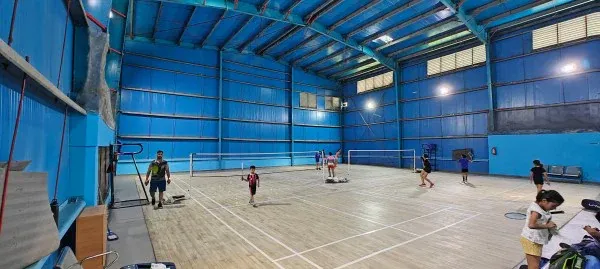
Athletes Still Struggle for Basic Facilities
The controversy has struck a nerve because many athletes across India continue to train under difficult conditions. In several states, promising sportspersons still lack access to quality tracks, gymnasiums, physiotherapy support, modern equipment, and nutritional assistance.
Grassroots coaches frequently complain about delayed funding, poor maintenance of district-level stadiums, and lack of scientific training infrastructure. Many athletes rely on personal loans, crowdfunding, or state-level support to sustain their careers.
Against this reality, the idea that sports development funds may have been used to enhance facilities in exclusive government complexes has understandably generated public criticism.
Former athletes and sports analysts have pointed out that India’s ambitions of becoming a global sporting power require far more focused investment in athlete-centric development. With the country aiming to improve its Olympic performance and potentially host major international sporting events in the future, every rupee allocated for sports carries significant importance.
The Government’s Position
Officials associated with the projects have reportedly maintained that the grants were sanctioned following due process. According to explanations provided during the investigation, project proposals were evaluated, detailed reports were prepared, and approvals were granted through existing administrative mechanisms.
Some officials have also argued that the NSDF guidelines allow support for sports infrastructure development and that the sanctioned projects technically fall within those provisions.
However, the larger debate is not merely about procedural legality but about ethical prioritization. Critics believe that even if such allocations are technically permissible, they may not align with the spirit of a fund designed to support sporting excellence and athlete welfare.
Why This Debate Matters
The controversy highlights a broader issue within Indian sports governance — balancing administrative control with athlete-first policymaking.
India has made undeniable progress in sports over the last decade. Olympic medals, international league exposure, and increased corporate interest have transformed the sporting landscape. Yet the system continues to face challenges related to transparency, governance, and equitable distribution of resources.
Public confidence in sports institutions depends heavily on whether athletes are seen as the primary beneficiaries of sports funding. Any perception that bureaucratic interests are taking precedence risks undermining trust in the system.
The debate surrounding the NSDF may ultimately push policymakers toward stricter oversight, clearer funding guidelines, and stronger public accountability mechanisms. Many experts believe that independent audits, public disclosure of grants, and athlete representation in decision-making bodies could improve transparency.
For India’s sporting future, the core issue remains simple: sports funds should primarily serve sportspersons. Whether this controversy leads to meaningful reform will now depend on how seriously the concerns are addressed in the months ahead.
ViroBuzz ViroBuzz ViroBuzz ViroBuzz ViroBuzz ViroBuzz ViroBuzz ViroBuzz ViroBuzz ViroBuzz ViroBuzz ViroBuzz ViroBuzz ViroBuzz ViroBuzz ViroBuzz ViroBuzz ViroBuzz ViroBuzz ViroBuzz ViroBuzz ViroBuzz ViroBuzz ViroBuzz ViroBuzz ViroBuzz ViroBuzz ViroBuzz ViroBuzz ViroBuzz ViroBuzz ViroBuzz ViroBuzz ViroBuzz ViroBuzz ViroBuzz ViroBuzz ViroBuzz ViroBuzz ViroBuzz ViroBuzz ViroBuzz ViroBuzz ViroBuzz ViroBuzz ViroBuzz ViroBuzz ViroBuzz ViroBuzz ViroBuzz ViroBuzz ViroBuzz ViroBuzz ViroBuzz ViroBuzz ViroBuzz ViroBuzz ViroBuzz ViroBuzz ViroBuzz ViroBuzz ViroBuzz ViroBuzz ViroBuzz ViroBuzz ViroBuzz ViroBuzz ViroBuzz ViroBuzz ViroBuzz ViroBuzz ViroBuzz ViroBuzz ViroBuzz ViroBuzz ViroBuzz ViroBuzz ViroBuzz ViroBuzz ViroBuzz ViroBuzz ViroBuzz ViroBuzz ViroBuzz ViroBuzz ViroBuzz ViroBuzz ViroBuzz ViroBuzz ViroBuzz ViroBuzz ViroBuzz ViroBuzz ViroBuzz ViroBuzz ViroBuzz ViroBuzz ViroBuzz ViroBuzz ViroBuzz ViroBuzz ViroBuzz ViroBuzz ViroBuzz ViroBuzz ViroBuzz ViroBuzz ViroBuzz ViroBuzz ViroBuzz ViroBuzz ViroBuzz ViroBuzz ViroBuzz ViroBuzz ViroBuzz ViroBuzz ViroBuzz ViroBuzz ViroBuzz ViroBuzz ViroBuzz ViroBuzz ViroBuzz ViroBuzz ViroBuzz ViroBuzz ViroBuzz ViroBuzz ViroBuzz ViroBuzz ViroBuzz ViroBuzz ViroBuzz ViroBuzz ViroBuzz ViroBuzz ViroBuzz ViroBuzz ViroBuzz ViroBuzz ViroBuzz ViroBuzz ViroBuzz ViroBuzz ViroBuzz ViroBuzz ViroBuzz ViroBuzz ViroBuzz ViroBuzz ViroBuzz ViroBuzz ViroBuzz ViroBuzz ViroBuzz ViroBuzz ViroBuzz ViroBuzz ViroBuzz ViroBuzz ViroBuzz ViroBuzz ViroBuzz ViroBuzz ViroBuzz ViroBuzz