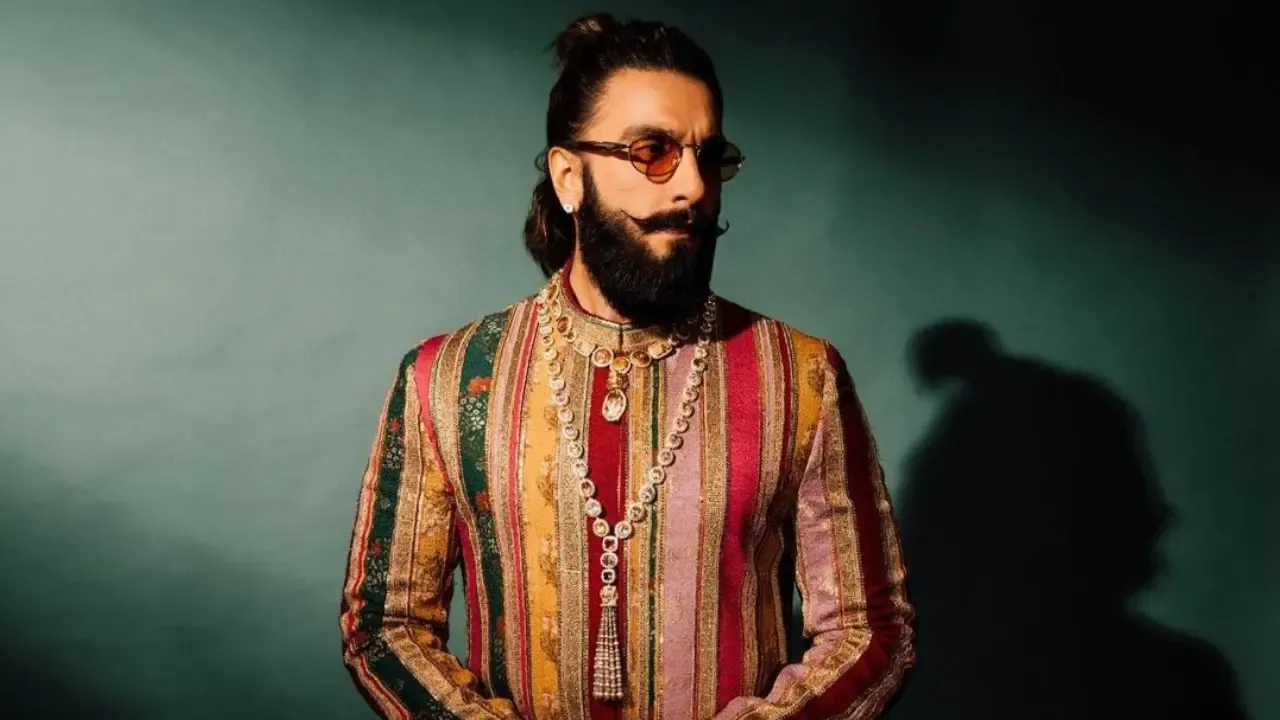
In a significant development that has sent ripples through the Indian film industry, Ranveer Singh has acquired the screen adaptation rights to Amish Tripathi’s bestselling novel The Immortals of Meluha, the first book in the iconic Shiva Trilogy. The actor is set to produce the project under his banner Maa Kasam Films and is widely expected to portray Lord Shiva himself. He has partnered with Birla Studios for what is being envisioned as a grand-scale cinematic trilogy, marking one of the most ambitious mythological undertakings in recent Bollywood history.
The announcement comes at a time when Indian audiences are showing renewed appetite for large-scale, rooted storytelling that blends mythology, history, and fantasy. With this acquisition, Ranveer Singh positions himself not just as a leading star but as a producer with a clear vision to bring one of modern India’s most popular literary universes to the big screen.
The Shiva Trilogy Phenomenon
Published in 2010, The Immortals of Meluha reimagines the legend of Lord Shiva as a Tibetan tribal chief named Shiva who arrives in the advanced kingdom of Meluha around 1900 BC. What begins as the story of a brave warrior destined to become the Neelkanth — the one with the blue throat — evolves into an epic tale of destiny, duty, love, and the eternal battle between good and evil. The trilogy, which includes The Secret of the Nagas and The Oath of the Vayuputras, has sold millions of copies worldwide and played a pivotal role in popularising Indian mythology among younger readers.
Amish Tripathi’s unique approach — treating ancient legends with a blend of historical plausibility and high-stakes adventure — struck a chord with audiences. The books present Shiva not merely as a deity but as a human hero whose actions elevate him to godhood. This nuanced portrayal offers rich material for cinematic adaptation, with scope for spectacular visuals, intense action sequences, profound philosophical undertones, and emotional depth.
Ranveer Singh’s Passion Project
According to multiple reports, Ranveer has been passionate about bringing the Shiva Trilogy to the screen for several years. The rights to the books had previously been with other prominent producers, including Karan Johar’s Dharma Productions and briefly linked to Sanjay Leela Bhansali, but the projects did not materialise. Once the rights became available again, Ranveer moved swiftly to secure them under his own production house.
Industry sources indicate the acquisition involved a substantial financial commitment, with one report suggesting a figure around ₹40 crore for the trilogy rights. The project is currently in the scripting and development phase, with the team focusing on crafting a screenplay that does justice to the expansive universe while making it accessible to a global audience.
Ranveer’s decision to essay the role of Lord Shiva is particularly intriguing. Known for his transformative performances and larger-than-life screen presence, the actor has the physicality, intensity, and versatility required to portray a character who is both a fierce warrior and a deeply philosophical figure. From the swagger of Bajirao Mastani to the raw energy in Padmaavat and Cirkus, Ranveer has repeatedly shown his ability to inhabit epic characters. As Shiva, he will likely bring a combination of charisma, physical prowess, and emotional vulnerability.
Collaboration with Birla Studios
The partnership with Birla Studios, founded by Ananya Birla, adds significant weight to the project. Birla Studios has been making strategic moves into high-quality, content-driven cinema with global ambitions. This collaboration suggests a serious commitment to world-class production values, potentially involving advanced VFX, international technicians, and a scale comparable to major Hollywood franchises.
The plan is to develop the story as a three-film saga, allowing adequate space to explore the complex narrative arcs, character relationships, and mythological depth across the books. The first film is tentatively eyed for production start around 2028, giving the team sufficient time for meticulous pre-production — a wise approach given the technical and cultural sensitivities involved in adapting such a beloved property.
Context in Bollywood’s Mythological Revival
Ranveer Singh’s Immortals of Meluha project arrives amid a broader resurgence of mythological and culturally rooted cinema in India. Films and series drawing from epics like the Ramayana and Mahabharata have found massive success, both domestically and internationally. Audiences are increasingly drawn to stories that celebrate Indian heritage while delivering contemporary production standards and universal themes.
This venture also reflects Ranveer’s evolving career strategy. After delivering a string of intense performances and experimenting with diverse genres, the actor is now leaning into ambitious, passion-driven projects. His production banner Maa Kasam Films signals a desire for greater creative control and long-term franchise building. The Shiva Trilogy offers the perfect canvas — it has built-in fan loyalty, a ready audience, and potential for spin-offs, merchandise, and global appeal, especially among the Indian diaspora.
Challenges and Expectations
Adapting the Shiva Trilogy comes with its own set of challenges. Fans of the books hold strong visual interpretations of characters, settings, and key events. The team will need to strike a delicate balance between staying faithful to the source material and creating a cinematic language that feels fresh and spectacular. Issues around VFX quality, cultural representation, and the portrayal of divinity will be under close scrutiny.
The project also enters a competitive space where other mythological adaptations are in various stages of development. Success will depend heavily on screenplay strength, directorial vision (yet to be announced), and the ability to create immersive world-building on screen.
For Ranveer, the role represents both an artistic pinnacle and a massive commercial responsibility. Delivering a convincing performance as Lord Shiva could further cement his status as one of Bollywood’s most daring and bankable stars.
A New Chapter for Indian Cinema
As development progresses, anticipation continues to build. The Immortals of Meluha trilogy has the potential to become a landmark franchise, much like how certain Hollywood adaptations turned beloved book series into cultural phenomena. With Ranveer Singh’s star power, Birla Studios’ resources, and the timeless appeal of Amish Tripathi’s storytelling, the project carries high expectations.
This initiative also highlights the growing confidence of Indian producers in investing heavily in original, homegrown intellectual properties rather than relying solely on remakes or formulaic entertainers. If executed well, it could open doors for more ambitious adaptations from Indian literature.
For now, fans of the Shiva Trilogy and Ranveer Singh’s cinema have every reason to be excited. A new mythological universe is taking shape — one that promises to blend ancient wisdom with modern spectacle. As scripting continues behind closed doors, the industry and audiences alike await the first official updates on what could become one of the most significant cinematic journeys in Indian film history.
Ranveer Singh stepping into the role of Lord Shiva is more than just casting news — it signals a bold new chapter where Bollywood dares to dream bigger, rooted firmly in the cultural and spiritual heritage that continues to inspire millions.
medianewsqo medianewsqo medianewsqo medianewsqo medianewsqo medianewsqo medianewsqo medianewsqo medianewsqo medianewsqo medianewsqo medianewsqo medianewsqo medianewsqo medianewsqo medianewsqo medianewsqo medianewsqo medianewsqo medianewsqo medianewsqo medianewsqo medianewsqo medianewsqo medianewsqo medianewsqo medianewsqo medianewsqo medianewsqo medianewsqo medianewsqo medianewsqo medianewsqo medianewsqo medianewsqo medianewsqo medianewsqo medianewsqo medianewsqo medianewsqo medianewsqo medianewsqo medianewsqo medianewsqo medianewsqo medianewsqo medianewsqo medianewsqo medianewsqo medianewsqo medianewsqo medianewsqo medianewsqo medianewsqo medianewsqo medianewsqo medianewsqo medianewsqo medianewsqo medianewsqo medianewsqo medianewsqo medianewsqo medianewsqo medianewsqo medianewsqo medianewsqo medianewsqo medianewsqo medianewsqo medianewsqo medianewsqo medianewsqo medianewsqo medianewsqo medianewsqo medianewsqo medianewsqo medianewsqo medianewsqo medianewsqo medianewsqo medianewsqo medianewsqo medianewsqo medianewsqo medianewsqo medianewsqo medianewsqo medianewsqo medianewsqo medianewsqo medianewsqo medianewsqo medianewsqo medianewsqo medianewsqo medianewsqo medianewsqo medianewsqo medianewsqo medianewsqo medianewsqo medianewsqo medianewsqo medianewsqo medianewsqo medianewsqo medianewsqo medianewsqo medianewsqo medianewsqo medianewsqo medianewsqo medianewsqo medianewsqo medianewsqo medianewsqo medianewsqo medianewsqo medianewsqo medianewsqo medianewsqo medianewsqo medianewsqo medianewsqo medianewsqo medianewsqo medianewsqo medianewsqo medianewsqo medianewsqo medianewsqo medianewsqo medianewsqo medianewsqo medianewsqo medianewsqo medianewsqo medianewsqo medianewsqo medianewsqo medianewsqo medianewsqo medianewsqo medianewsqo medianewsqo medianewsqo medianewsqo medianewsqo medianewsqo medianewsqo medianewsqo medianewsqo medianewsqo medianewsqo medianewsqo medianewsqo medianewsqo medianewsqo medianewsqo medianewsqo medianewsqo medianewsqo medianewsqo medianewsqo medianewsqo